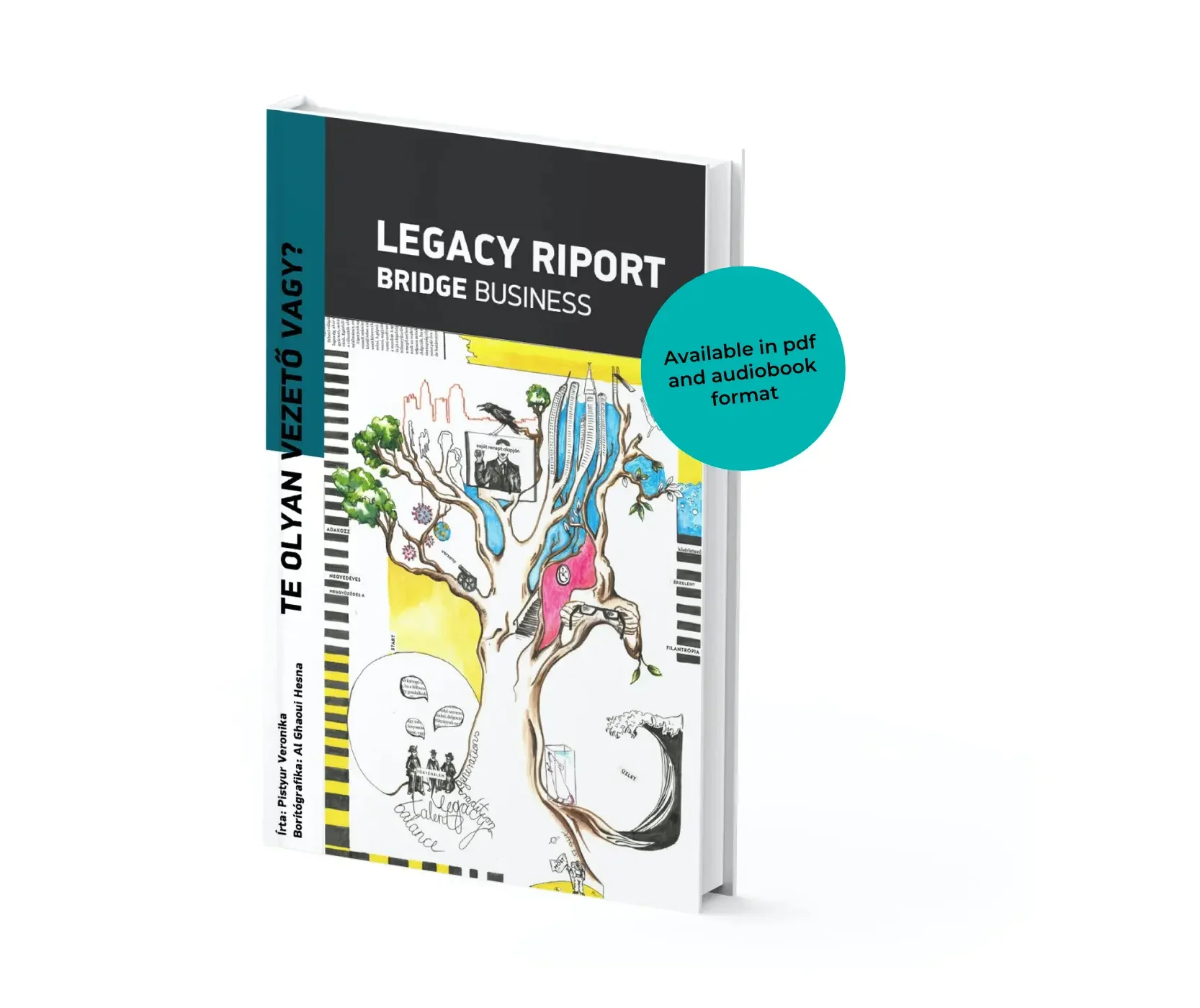

Our report reveals how domestic business actors view the leadership mindset that is based on the idea that what they leave behind matters.
A (business) leader who, beyond their own interests, plans for the long term, committed to the future and future generations. They understand their responsibility and take steps for structural changes, all with the goodwill to lead by example and the desire to shape perspectives. With strong personal integrity, emotional awareness, and rock-solid values. They use their own emotional, intellectual and financial resources to commit to social causes. They care about what they leave behind.
In simple terms, encapsulated in the formula we call the Legacy Architecture
We want the Legacy Leaders to be the heroes of our era.

Role models who will be remembered fondly by those growing up now. They are said to have done everything they could to leave something for future generations.

The crises of recent years have made it clear to everyone that our way of living, consuming, the companies we build and the decisions we make all have consequences. However how negative our vision of the future may be, the well-being of our immediate environment will remain our responsibility for quite some time.

Today, as leaders, the stakes are whether we are able to contribute to a lovable, dignified and livable world. Bridge's ambition is this: for this mindset to become the leadership norm in the business world.

The participants of the in-depth interviews were: leaders and young leaders in their early careers, connected to Bridge Budapest. The mixing of different company sizes, ownership backgrounds and roles was a deliberate undertaking, because we believe that what distinguishes a leader in terms of their values and mindset is not whether they are a manager or an owner, whether they lead ten people or employ a thousand, whether they are in manufacturing or provide services, but how they perceive their own leadership role, opportunities and responsibilities.

Leadership is not a goal, but a means for making an impact

There are four motivating factors: upbringing, broadening perspectives, personal traumas, and the birth of a child

The moment of commitment comes once the leadership role becomes comfortable

46% of the respondents want to create value and build something useful for society

Most turn toward education and skill development — culture and arts attract significantly less commitment in comparison

Growth trend: more and more supporters and increasing levels of support

Leaders who consciously build a legacy are committed to their causes in the long term

Authenticity is the key, not measurability

The most typical time horizon for impact: a 4-5 year plan or the lifespan of their own children

For many, the desire to take action only comes once they've "put something on the table"

Nine out of ten leaders recognize that we have a role and responsibility in shaping the future

The majority of leaders, around 61%, want to leave a mark beyond their own lives
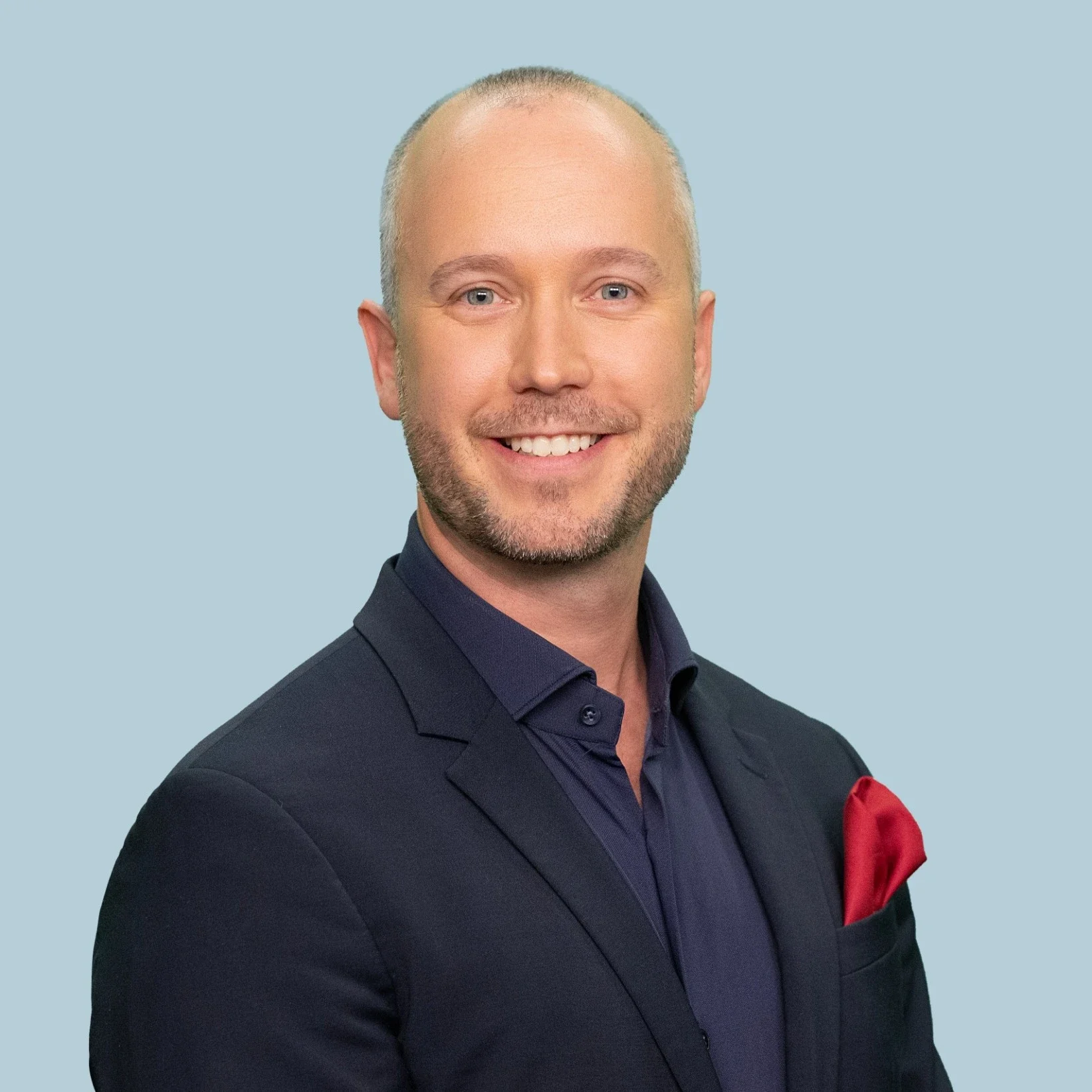
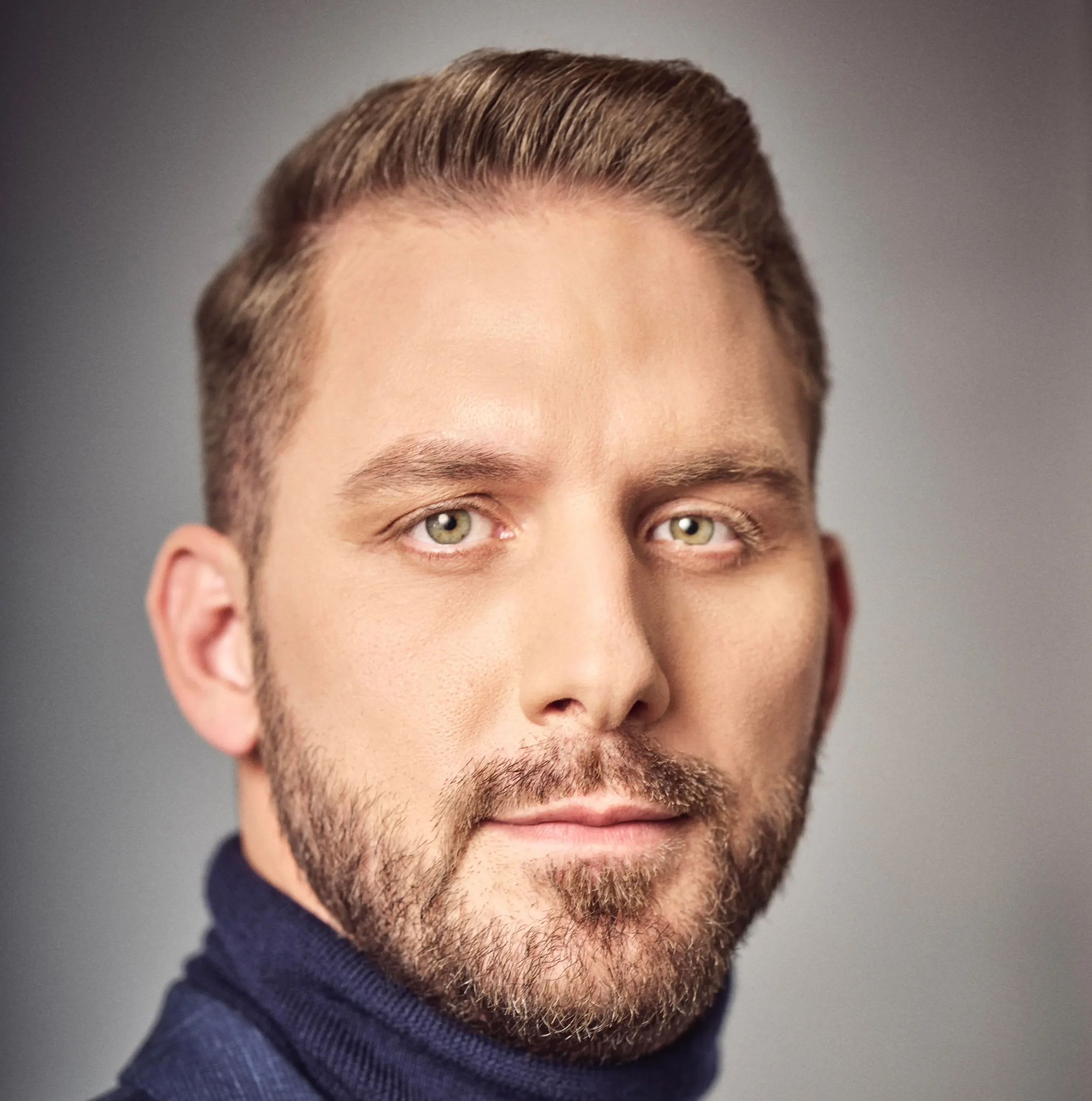
CEO, FATH Kft.
“I started leading the company in January 2017, and I suddenly felt how amusing it is that if I say people will start wearing pink shirts tomorrow, they would and if I come up with something, it influences many people’s lives. I didn’t know this before — I must be a late bloomer, but it didn’t sink in. This came with being a managing director, on one hand…”

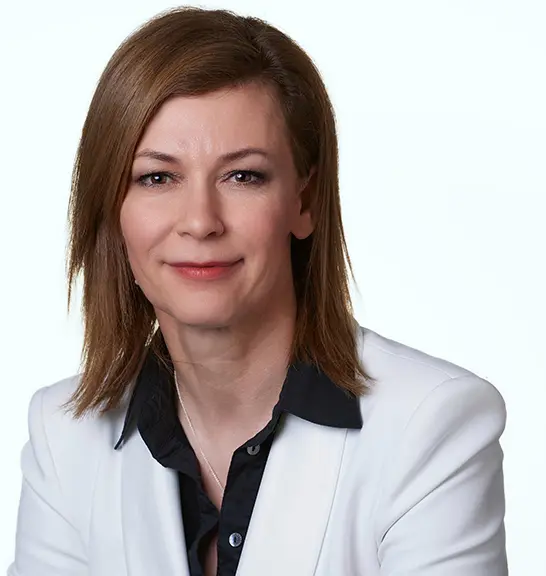
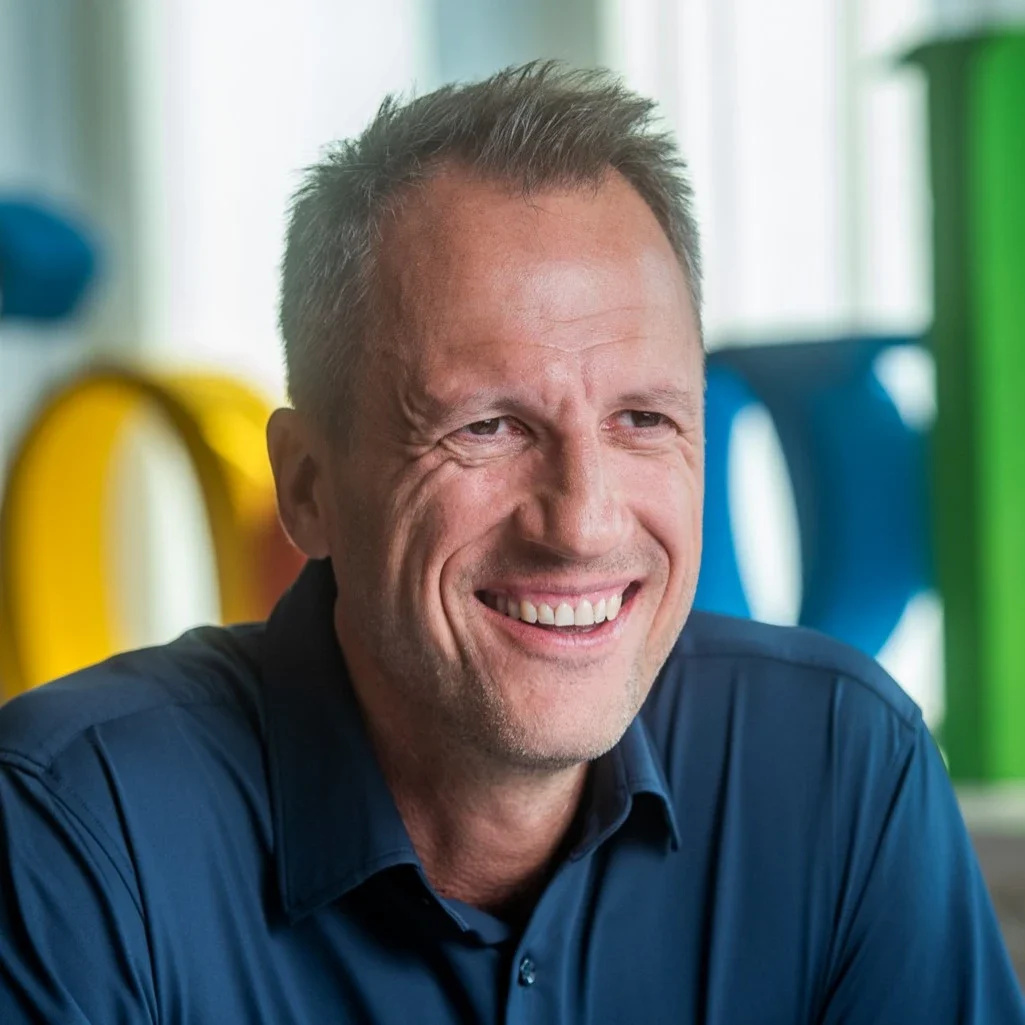
Country Manager, Google Magyarország
“Long-term thinking is crucial. There are many things that cannot be changed overnight, nor can we have an impact on them within 1-2-3 years, instead, it’s a long building process that requires small, incremental steps, I’m experiencing this more and more in everything.”

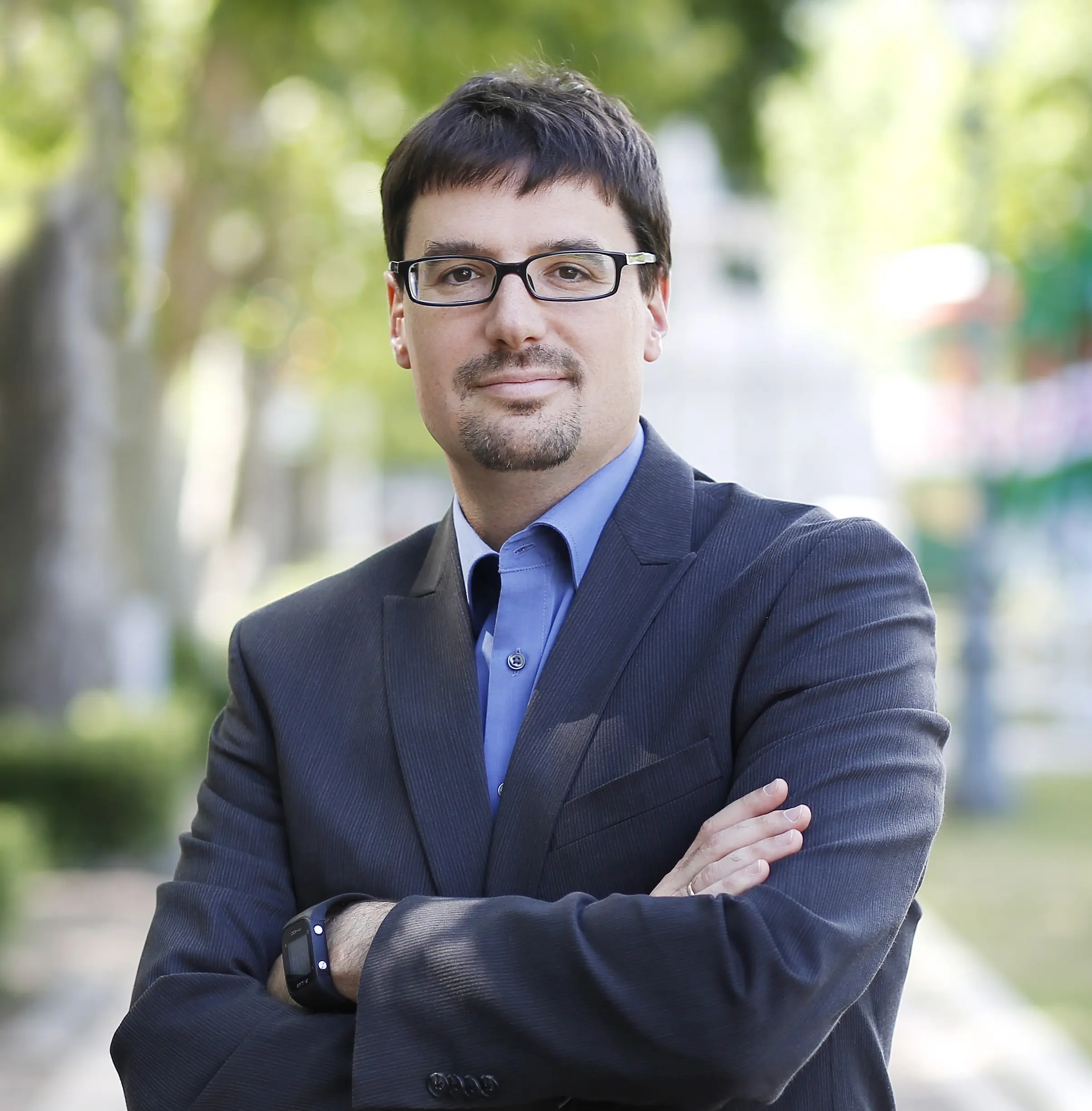
board member, Hungarian Association of Executives
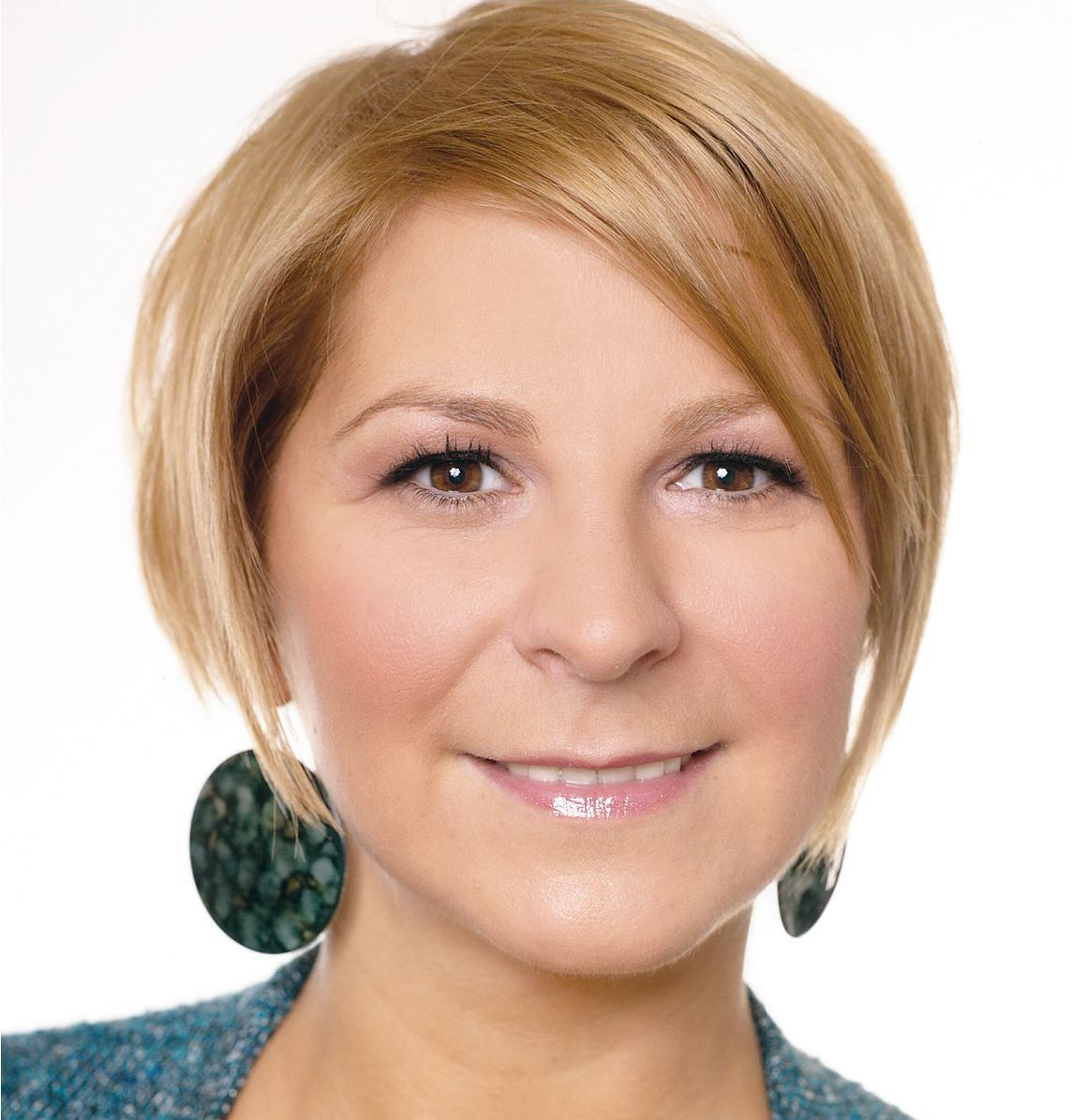
“I believe in the long term; even a decade doesn’t deter me. Big causes take big time, but at least 3-5 years. My support and my commitment to causes are like this too: either you have to support it very long-term, as things won’t change from one summer to the next, or it’s extremely urgent, and we must tackle it ad hoc.”

strategic director, Opten
“I feel a strong sense of responsibility. I work with statistics, and every ‘many’ is made up of individuals. It’s not my role alone to change the world, but I must do something and if everyone does their part, it will add up to a lot. Everyone should contribute according to their opportunities. It’s enough to think about the next generation and teach them to care about the one after them. It’s not about doing a 100-step process but moving forward step by step. The goal is that this remains a system that works in the long term.”

director of marketing communications, Shiwaforce
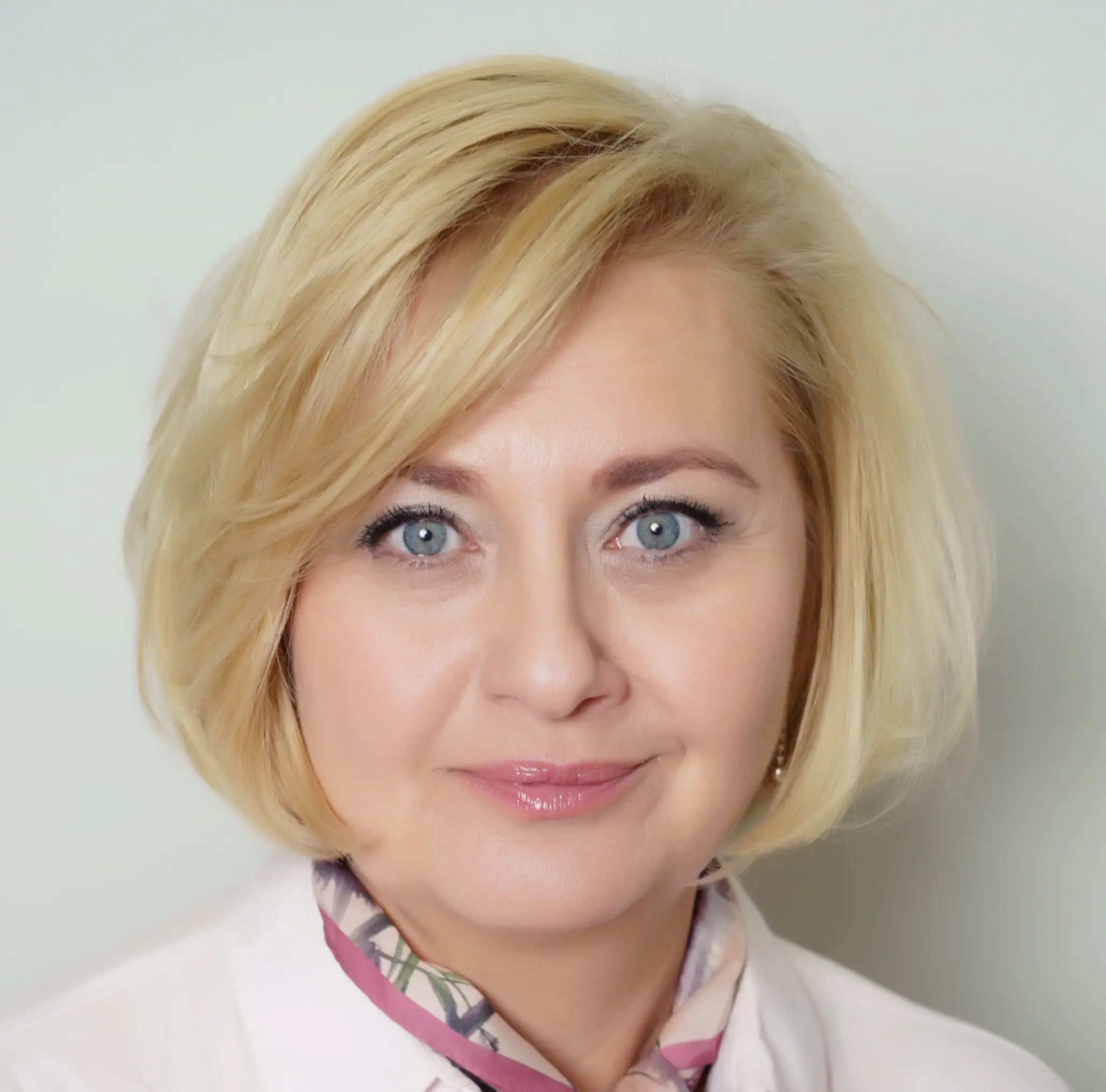
“If we find values, we are also responsible for nurturing and passing them on. I pay attention to the remarkable, extraordinary people I have the opportunity to meet, and I take the thoughts and knowledge I gather from them to my own communities.”

Managing Director, JobGroup
“If I give, I also receive. If we give to society, it might not be me but my children who get something in return, but in some form, it always comes back to us. For example, when I provide professional support, the energy I receive in return becomes part of me, and I can pass it on elsewhere, even to other areas of my life.”

Founder and Managing Director, Villámfordítás // Easy Media Kft.
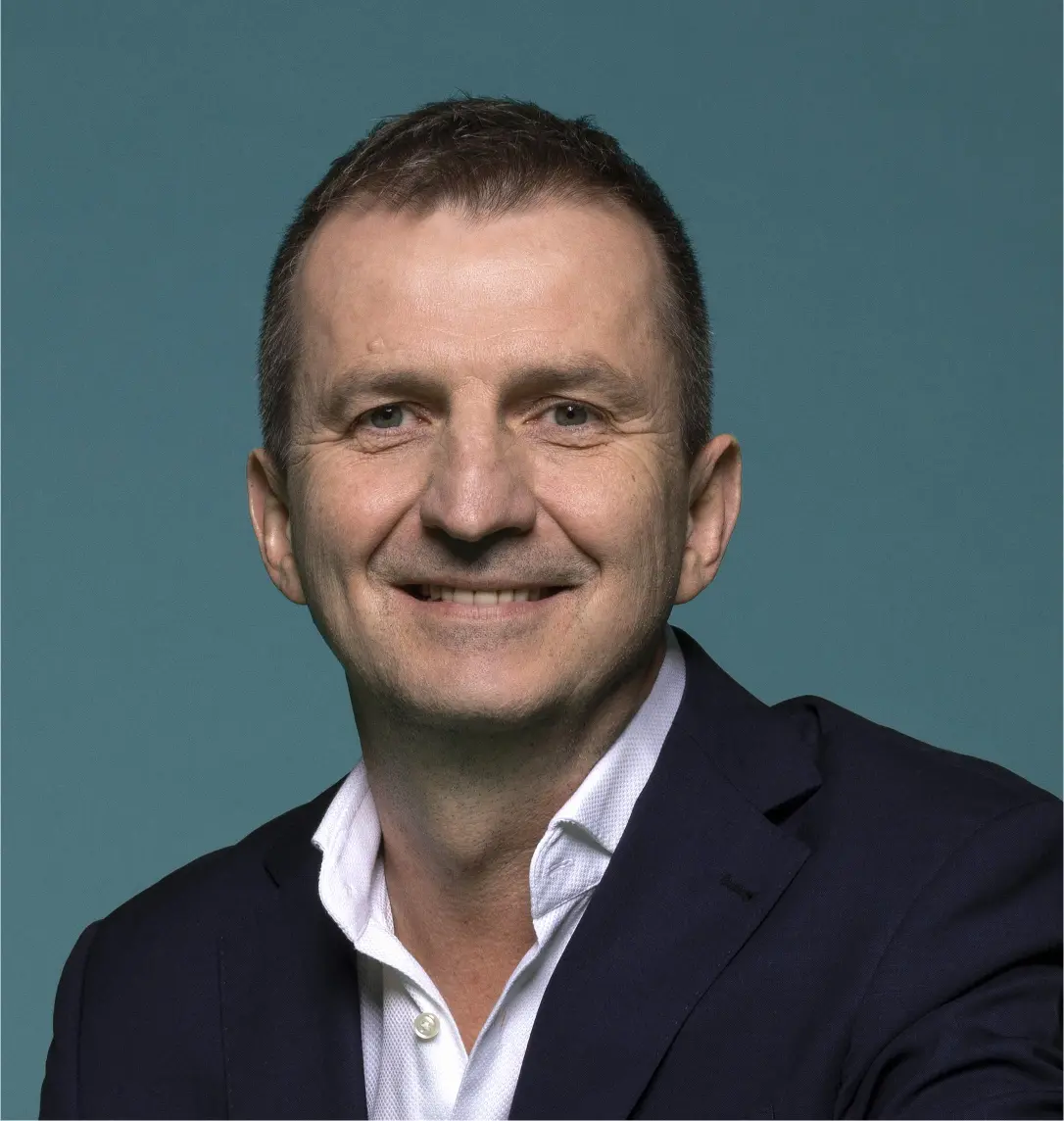
“It would be great if my children remembered me as I was somebody beyond being their mother: I had a personality, plans, I created something.”

Managing Director, Eisberg Hungary Kft.
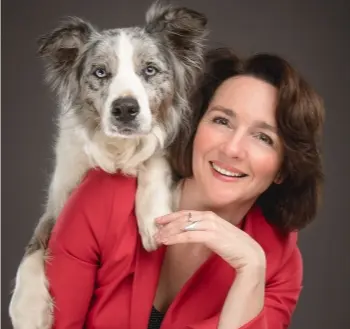
“It has become my hobby to connect people who are meant to meet in the universe, and I was just needed to make them realise it. They could have met without me, they could have browsed through Facebook or other online channels to find their mutual acquaintances and their acquaintances’ acquaintances, but for some reason, I was given this wonderful opportunity to connect them. And for that, not only are they grateful, but so am I.”

Partner, i-Tango
“We represent a company that has mutual acceptance and business culture pinned to its banner, where valuing employees is one of the greatest assets. I hope that beyond our employees, we can spread this mindset to many places through our clients as well.”

CEO, MVÜK Zrt.
“What impacted me was realizing how much of a difference even our small financial contributions can make to the operation of an organization. And even back then, we were giving it for operations, not labelling it. That was a turning point. It fostered a sense of mission, that if it matters this much, let’s contribute more and more each year. This led to the creation of the Edisonfund, launched in partnership with Bridge.”

Co-founder, Leader // Lead Consultant, MVÜK onlyCEO Club // Your Way Consulting
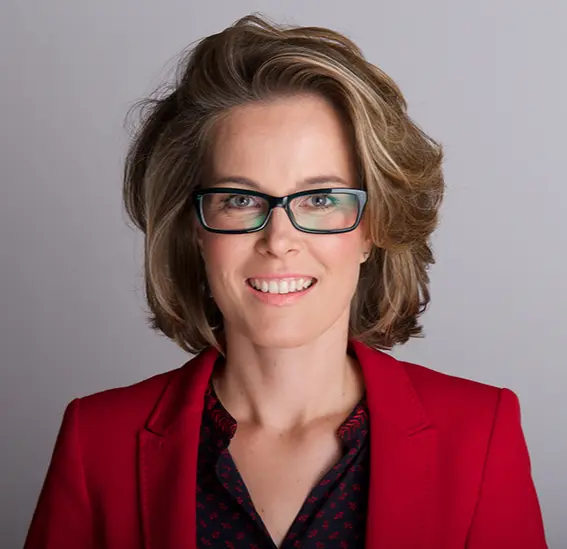
“In my ideal world, it doesn’t matter who you are, but what you do. It’s not about where you come from, but where you are headed. The guiding principle is not ‘divide and conquer,’ but ‘live and let live.’ I want to live in a world where there’s a positive vision for the future, where there is common ground. Let’s not look for what divides us, but for what connects us.”

HR Director, Dreher Breweries Ltd.
“War, global warming, the use of fossil fuels, the human aspects of sustainable operations… I struggle with the need to change these, but I often hit walls: from where I stand, my impact feels very small. At the same time, I can influence my immediate environment, and I’m incredibly fortunate that I can have an impact on the company I work for and even a bit beyond it. And in this way, that’s quite a significant impact!”

CEO, DOKTOR24
“I’m only moderately concerned about what legacy I’ll leave behind. I’m more interested in the impact I make while I’m alive. Within one lifetime, I aim to create meaningful values that are temporarily beneficial and indirectly have an influence on the future. The Hungarian healthcare system and through it the Hungarian population can become a healthier society, even indirectly through me. Transforming healthcare processes, financing and attitudes that ensure longer lives and better quality of life is a great value.”

CEO, ARM Hungary Ltd.
“Women’s representation is a long-term matter. Unfortunately, I’ve never been able to stay silent on these issues; my sense of justice has always overridden everything else. Children and education are a bit changing, as my child grows into the system, the focus shifts, but education as a topic remains. Environmental protection has entered my focus over the past few years, but it hasn’t crystallised yet, I’m still learning what I can do and how I can make an impact.”

HR & CSR Director, Praktiker
“A future-oriented mindset is a core value of mine and I believe that it is not today that needs to be solved, but the future that needs to be worked for. We need to look at the big picture, with a bigger perspective there is a chance to make a difference in the short term, in smaller and bigger communities. It concerns me, while I have the chance, the role, the opportunity to do this, how I can maximise it and leave a mark.”

Private Individual
“We should have an impact on the things we can influence… the people who live right next to us, workers, parents, children, you will have an impact on them, your responsibility is proportional to that. The greater the impact a person has on those around them, the greater the impact they can have on those who come after them.”

Managing Director // Country Manager, Sigma Technology Hungary Ltd.
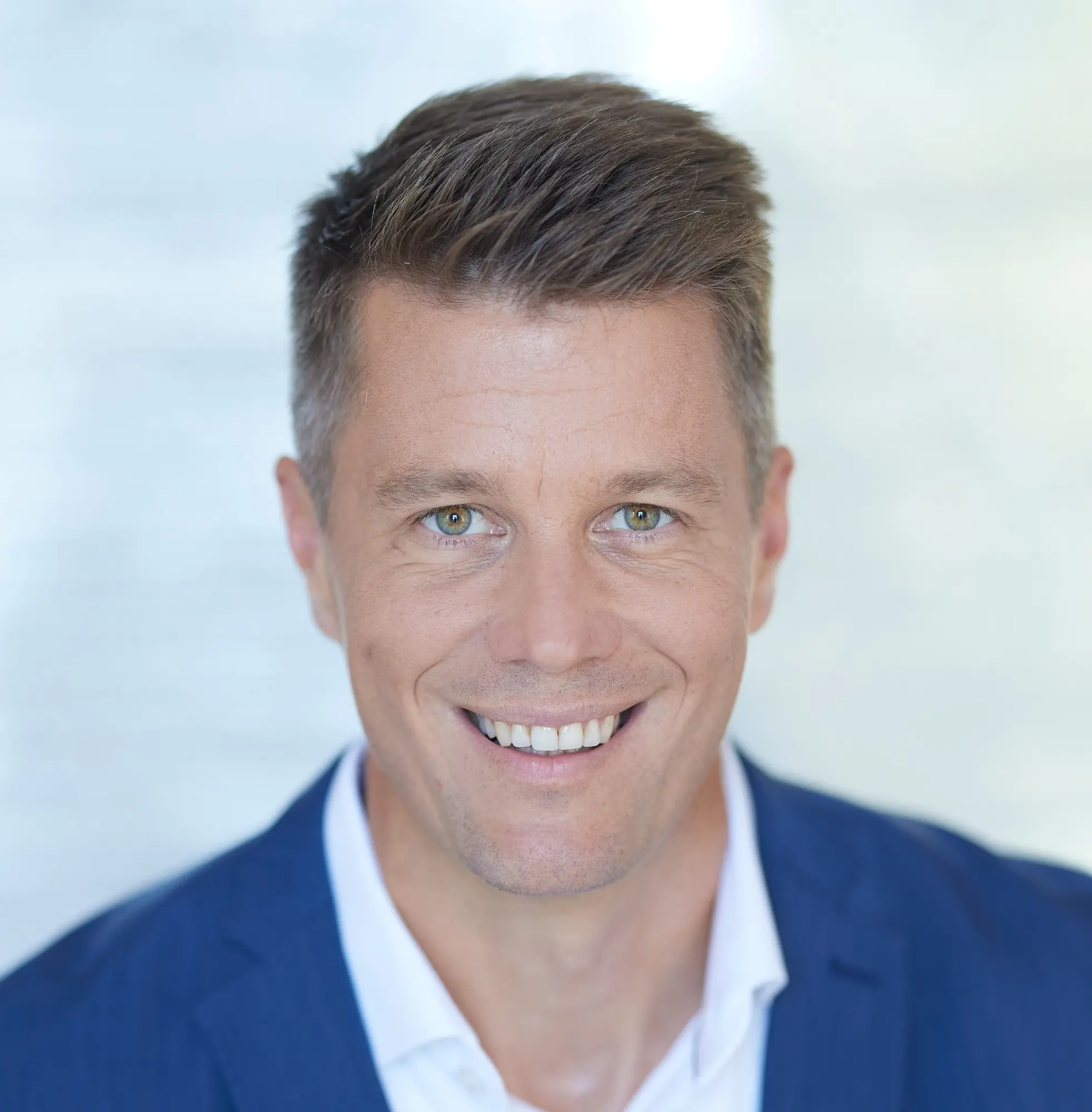
“Let’s make a lot of money in pure competition on the free market and give back generously to those less fortunate than us. This way, with great profit comes great impact. I’ve been here for 18 years and have been able to fulfill my career goals, yet I could keep doing the same indefinitely. I want to strengthen the company not only in size or revenue but also in recognition and in the impact it has on the world.”

Managing Director, Rossmann
“There is nothing greater than being able to connect with each other emotionally beyond material things and create spaces where we can be ourselves and give to each other.”

People and Culture Director, Roche Hungary
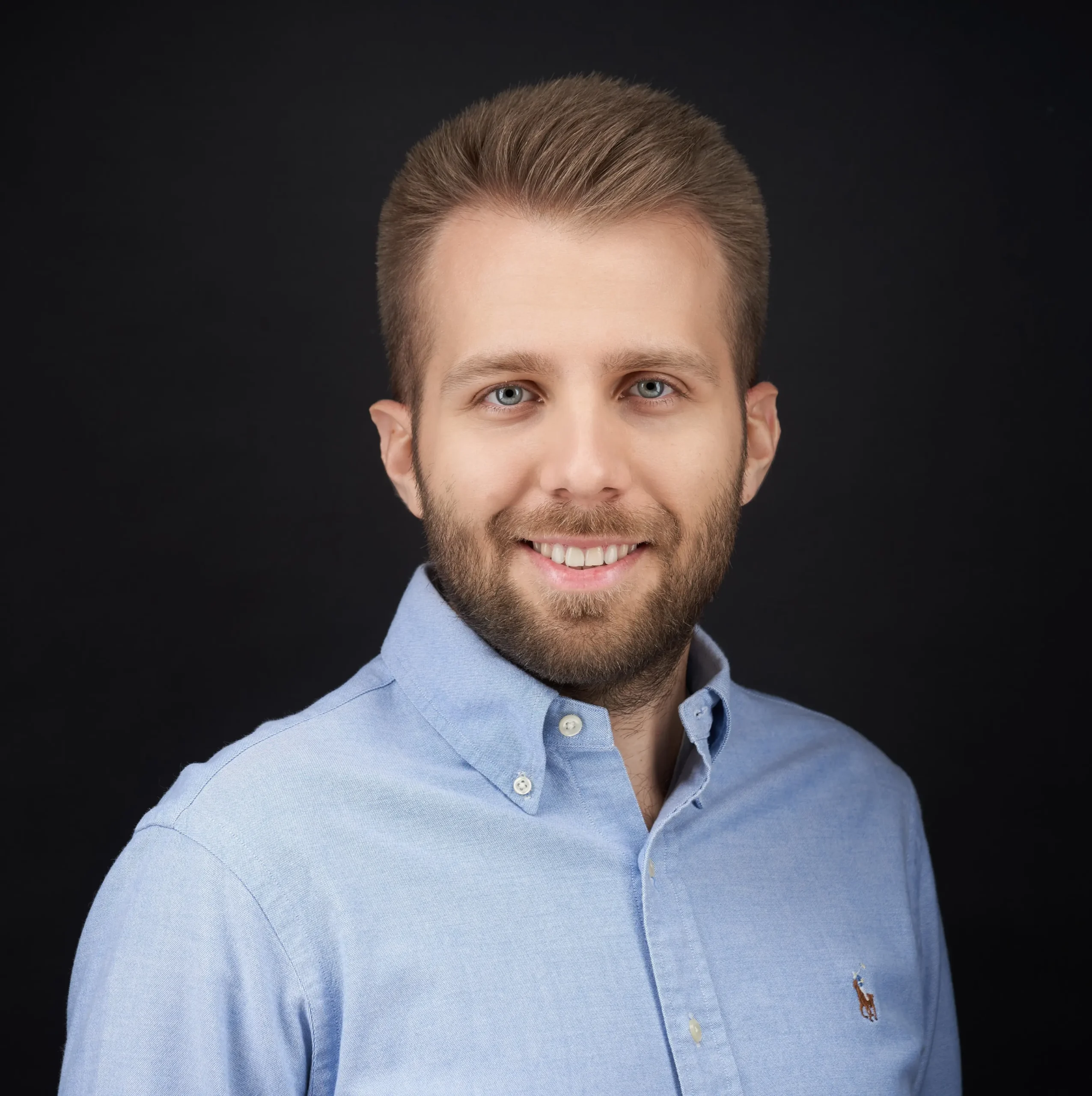
“Those who represent social causes also need money: a fair wage, salary. It’s a matter close to my heart to represent this perspective. Civil work is not free work; it requires serious knowledge, ambition, and skills, which often have to be demonstrated in a more difficult environment than in the corporate world.”

Co-Founder and Managing Director, Eversync
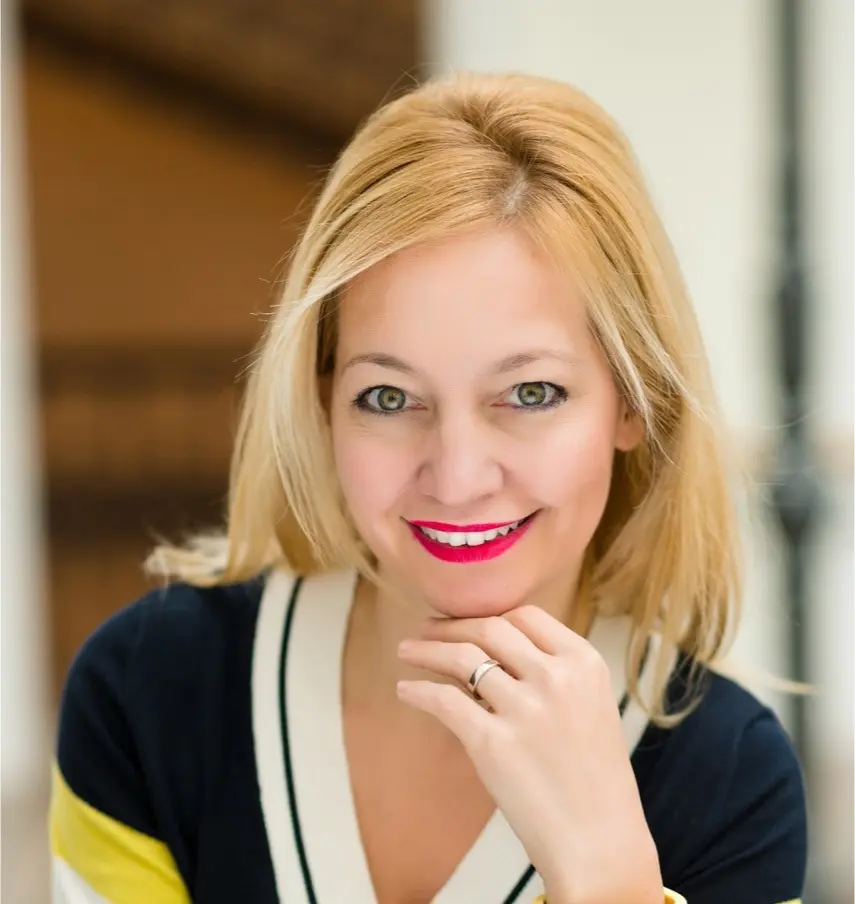
“I deeply feel that I am responsible and that I have an impact. I don’t agree with the idea that I am just one among many — even in something like voting, I must go, because even one vote has an impact, that’s my mindset, but if we also consider how many people I know, how many follow my thoughts and what I share, how many students might see me as a role model, then I must be careful about how I do things. I can make an impact, but it saddens me sometimes that no matter how much I try to contribute to making the world a better place, it’s not enough… We live in such a complex world that much effort yields little result, because those with great power can, through a single decision or action, undo the work of many well-intentioned, positive people, and that feels bad.”

Co-owner, Creative Director, Continental Group
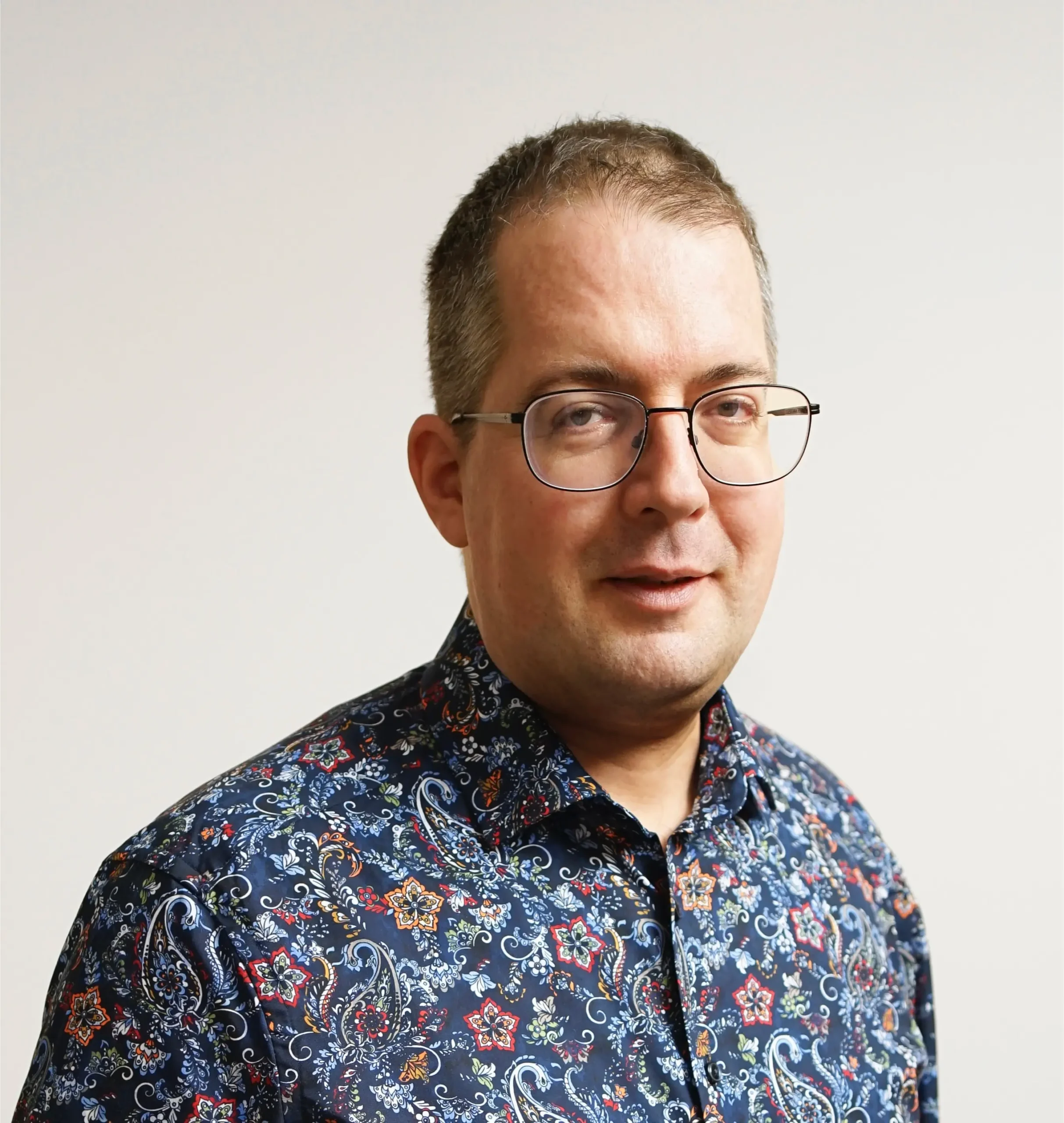
“It took me a long time to reprogram my mind to the fact that it’s not bragging to say, ‘Look how much I helped, how much we collected…’ I lived in the idea that if I communicate this, promote it, then I send the wrong message… After a while I understood that showing you helped brings new help. Many people join because they see it. When that happens, that’s the sense of success. It needs to be shown so that next time it happens even more easily, and even more people join the good cause.”

Managing Director, Derik Ltd.
“Consistency is the main value and honesty, so if we promise something, it must be done.”

Founder, Managing Attorney, Törös Law Firm
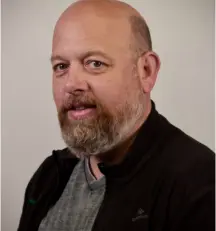
“I am an incurable idealist. I believe that if every single person contributes to the greater whole, something good will come out of it. I strongly believe in the power of patterns and leading by example, and I try to live in a way, as much as my possibilities allow, that makes consciousness the most important principle guiding my actions. I try to be at the forefront of this, thereby leading the way for my immediate environment, and perhaps in this way my immediate environment will continue to educate its own immediate environment as well.”

Chief Operating Officer, Prezi
“Giving back to others is an important value for me. The division of society seems unstoppable, slowing it down or reversing it is crucial. This goes hand in hand with some kind of actions related to sustainability.”

CEO, Billingo Technologies Ltd.
“Having causes wasn’t always important to me. At the start of my career, it was much more important to achieve financial success, but that has transformed. I realized that money is just a tool, a by-product of success, but it cannot be the goal itself. It took me a while to figure it out. Along with this transformation, societal goals have been amplified. The fact that I support causes is important information, but the who, what, and how of it doesn’t need to be visible.”

Deputy CEO for Sustainability and Circular Economy, Member of the Executive Board, Alteo
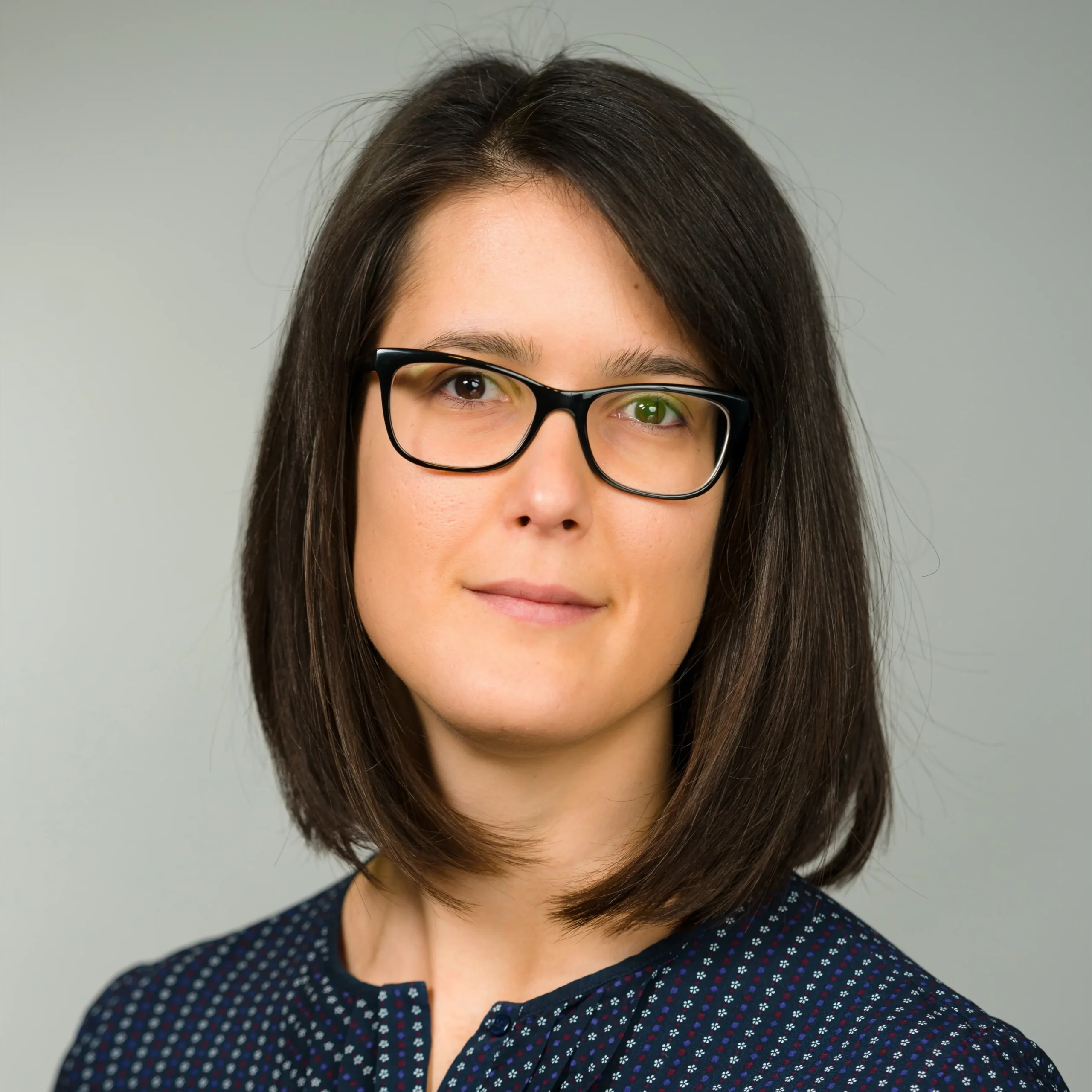
“With the company, we have made a commitment to sustainability and it has a lot of additional opportunities. If you dedicate yourself to something and are willing to fight for it, many similar topics will find you as well. Taking on valuable social causes is still to be embedded in Hungarian culture, and we want to lead the way in this too. This isn’t just for the external world but it’s also our inner drive.”

Board Member, Tranzit-Food Ltd.
“We live in a bubble, outside of it the situation is much worse; but micro-communities are forming, we need to strengthen them. The frustration in everyone should be changed. The frustration that exists in everyone needs to be changed. Society is divisive; there are very big differences, and frustration is part of everyday life. For a healthier society, these divisions need to be mended, a fairer distribution system should be established.”

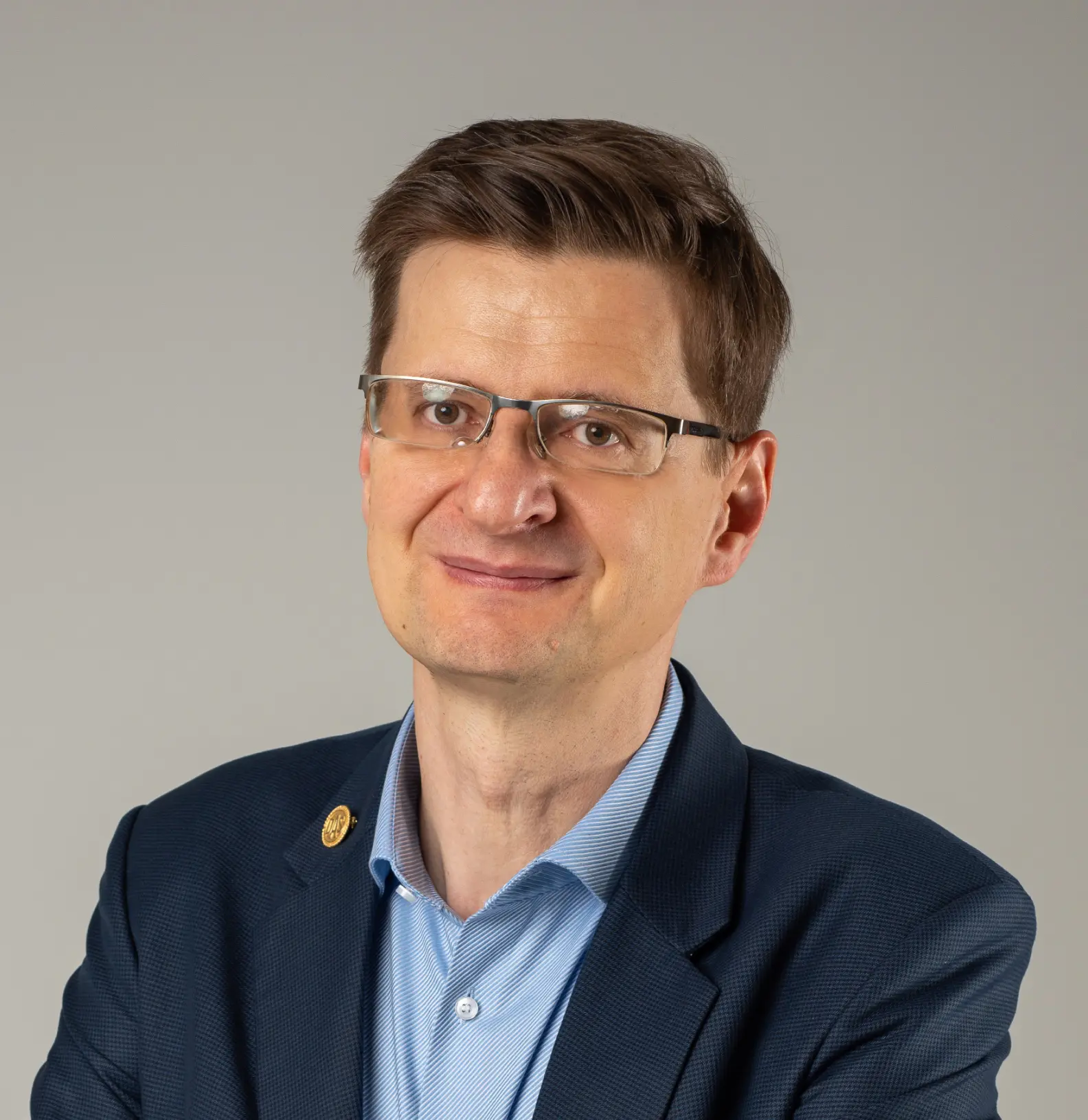
Managing Director, D.A.S. Legal Protection Insurance Ltd.
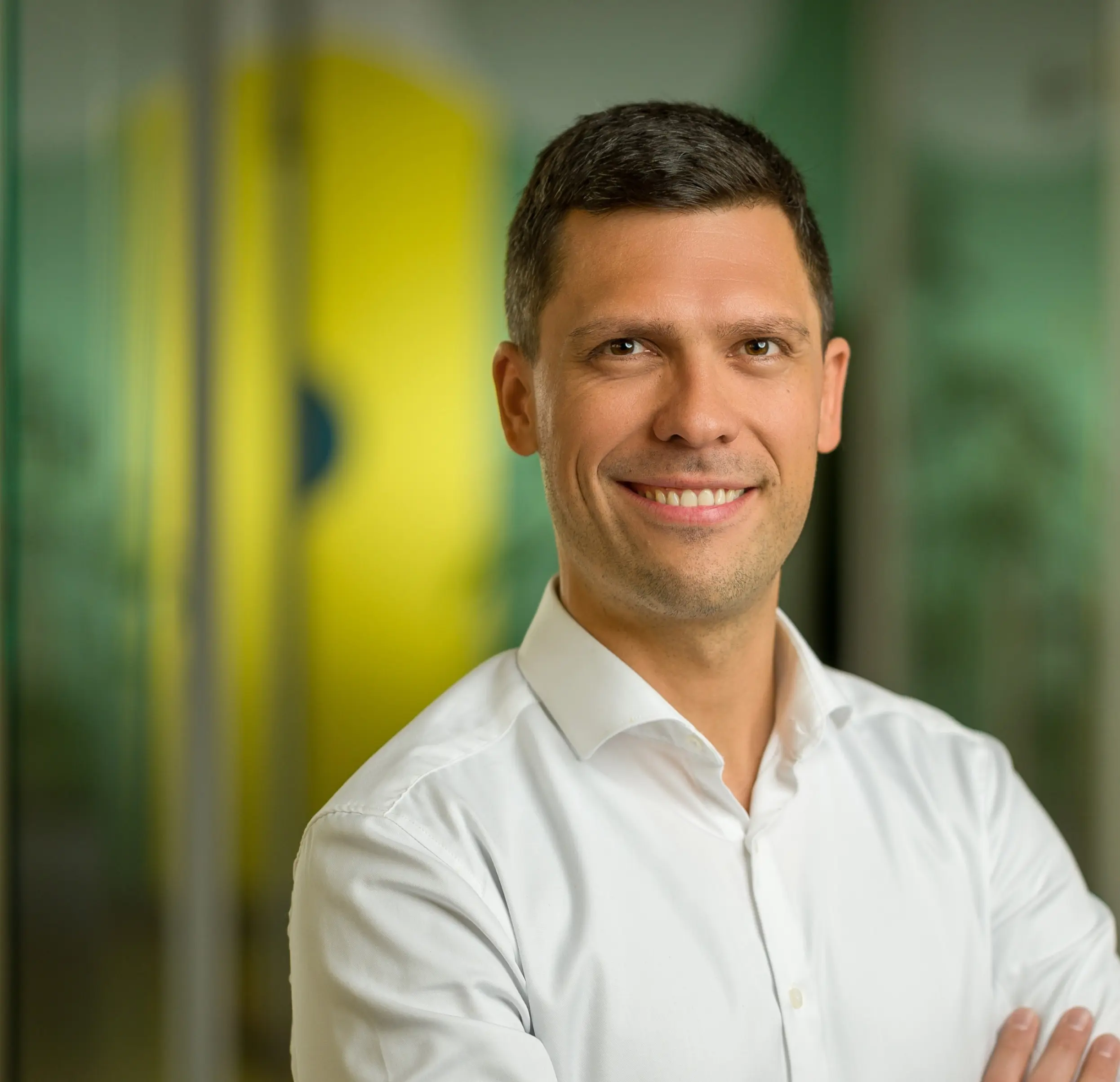
“I don’t believe I have much influence beyond my own bubble, I don’t even know if I could… From a legal protection perspective, of course, I do. Access to law, equal treatment, raising awareness among people, with it, for sure. There are around one hundred thousand people who we talk to, who we reach out to, who count on us, who we send articles, materials to, whom we encourage. That’s a lot. In this way, I do have a significant impact, though I’ve never really thought about it, I just do it.”

Managing Director, Aliz
“It was decided in the dorm, at the university. From the very first moment, the whole spirit of giving back was there, for example, older students to younger ones. The shared goal was for everyone to become a good engineer, and the older students helped in this.”

Managing Partner, Concorde MB Partners
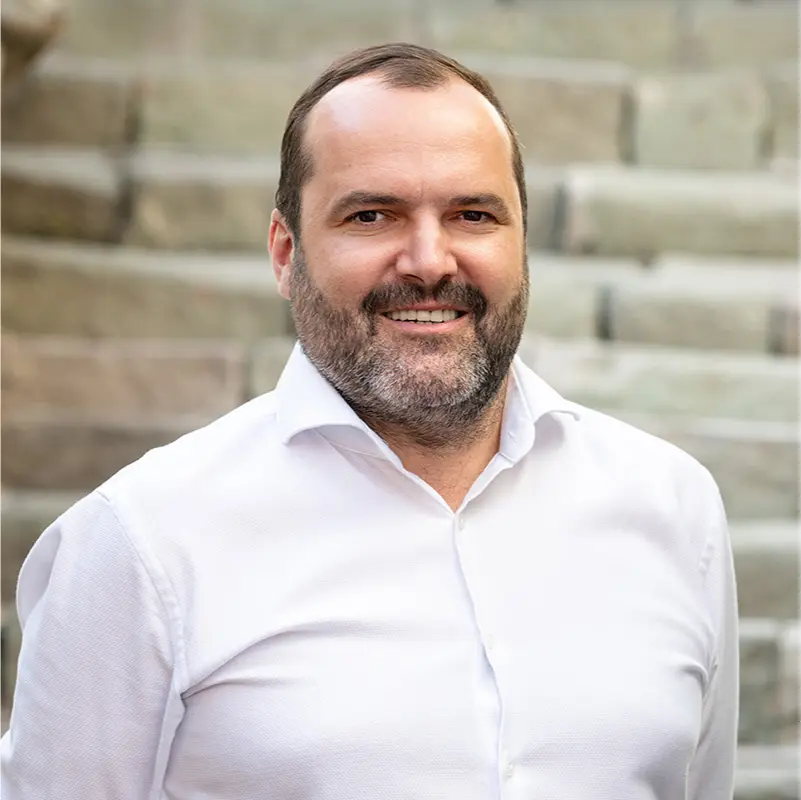
“We have an enormous impact on the world. What we do contributes strongly to shaping the next generation of capitalists. There can be tiny signs in the present as well, but it’s a 20-30-year effort. For me, long-term thinking is both a business value and an interest.”

Strategic Director, Continest
“It’s important what we leave behind. I was a scout, and one of the core principles there is to leave the world a better place than how you got it. This is important for our own sake too. Even if it’s selfish: to feel yourself good in the world, it’s important to have a sense of mission.”

Communications Director, Schneider Electric
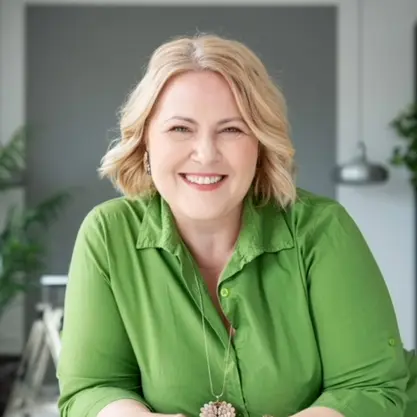
“I find the idea of giving back to society a bit pompous… let’s leave that to people who truly have great influence and the ability to shape the world. I can better understand within my own microenvironment, that what I’ve received throughout my life, I can also give back.”

Private Individual
“My life is woven through with collaborations: within the company, internationally, with external partners alike. Cooperation with nonprofit organizations has opened up new opportunities. Seeking solutions together, sharing knowledge and resources, and thereby becoming more is an amazing experience.”

CEO, PannonHitel Zrt.
“It’s important what I leave behind. I coach, and in the first interviews I always ask whether someone has a role model, and today, 8 out of 10 leaders with 7 or more figure salaries, don’t have one. If I can somehow fill that void, that’s already positive influence.”

Communications Manager, The Coca-Cola Company Hungary
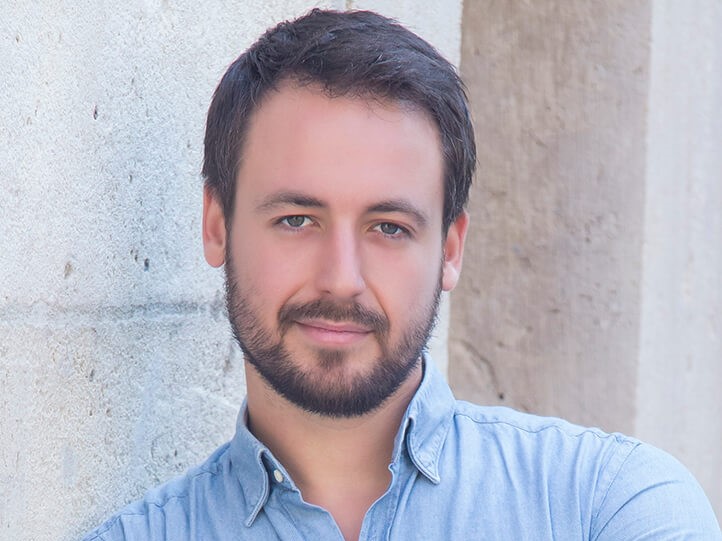
“I believe that if someone has received a lot, they bear greater responsibility. As a socially attuned person, I think that those who have more can also give more. On the other hand, if you have influence over something, it also comes with responsibility, and you must exist in the world not only looking after your own interests.”

Co-founder, Milestone Institute
“Very high-level problems need to be addressed at a very high level; we shouldn’t just place the burden of environmental protection on the average person, this should also be a political decision. I would like to live in a world where the responsibility and accountability of leaders, both at companies and in politics are exceptionally high.”

Country Manager, BP
“Currently, I am actively engaged in how I can become a leader who helps people on their journey to be their best selves. Creating an environment where they can be successful because they have the psychological safety, access to knowledge and the opportunity to learn that will help them in their future.”
We would like to express our gratitude to the MVÜK onlyCEO Club community for their help in the online data collection, who were the first to complete the survey, and then to the entire MVÜK membership, who are open to the world and each other. We also thank the Hungarian Association of Executives and the The Family Business Network Hungary, the partners of 3rd Gen Zrt., the “Trend a lelke” women entrepreneurs’ community in Kecskemét, and the clients of [eureka] Consulting & Games. Special thanks to Forbes Hungary for always giving space to the topics of leadership responsibility, long-term thinking and commitment, through the publication of our articles.
Our team also made a significant contribution to the data collection. Rita Veres, co-founder of Edisonplatform, participated in conducting the in-depth interviews. Gera Molnár and Dorina Tűzkő from Bridge Budapest. In the development of the in-depth interview questionnaire, psychologist Viktória Faludi. In qualitative analysis, researcher Zsuzsanna Jován guided us, processed and organized the content of the in-depth interviews, and compared it with the quantitative results, which was under the direction of researcher Attila Dénes.
A legjobb felhasználói élmény biztosítása érdekében olyan technológiákat használunk, mint például a cookie-k, hogy tároljuk az eszközinformációkat és/vagy hozzáférjünk azokhoz. Ezen technológiákhoz való hozzájárulás lehetővé teszi számunkra, hogy olyan adatokat dolgozzunk fel ezen az oldalon, mint a böngészési viselkedés vagy az egyedi azonosítók. A hozzájárulás elmaradása vagy visszavonása hátrányosan befolyásolhat bizonyos funkciókat és funkciókat.